How well do our children know us?

your story your wordsEveryone of us has a story to tell. Our life is unique to us and our journey, experiences, feelings and memories to date have carved us into who we are today. These experiences can be shared with our children in a creative way. Below are many questions that often don’t get asked, you can go a lifetime and your children will not know the answers to any of these insights into your lifetime.

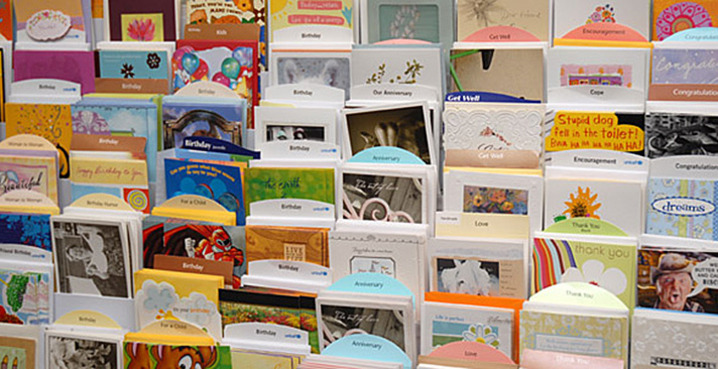
It can bring you closer &/or open up topics for further discussions. Answer the questions as if your child is asking them. Why don’t you copy and print them out – take your time to answer them carefully and honestly, include as many photos as possible then present it to your child/children as a gift.  You could even get it published online as a book for little cost, simply Google “online publishing” and there are many to research and choose from 🙂

 Questions to share:

  1. Tell me about the time and place you were born
  2. What are your earliest memories?
  3. Tell me about your Mum and Dad
  4. What do you think your parents thought of you as a child?
  5. What interesting information do you know about other people in your family?
  6. Detail what you know of our family tree?
  7. Tell me some more about your family that may interest generations to come.
  8. What do you remember about the places you lived when you were a child?
  9. What were your favorite childhood toys or games?
  10. Tell me about your best friends as a child.
  11. What do you remember about holidays as a child?
  12. What sort of pets did you have when you were a child and what was their names?
  13. What were you best at when you were at school?
  14. What did you want to do when you grew up?
  15. Who was your best friend as a teenager and why?
  16. What were your favorite hobbies when you were young?
  17. Did you have a idol when you were young? tell me who and why.
  18. What was the first piece of music you bought?
  19. What would have been your top 10 favorite pieces of music when you were young?
  20. Describe any family traditions you had when you were young? or maybe still have.
  21. What age did you start work and tell me about the jobs you have had?
  22. What was the first car you ever owned and tell me about the other vehicles you have had?
  23. How did you meet my mother?
  24. What were some of the things you would do on a night out with each other?
  25. Describe a special day you had with my mother?
  26. How did you feel when you found out you were going to be a father?
  27. What did you think when you first saw me after I was born?
  28. What were my statistics when I was born – time of birth, height and weight?
  29. What did I look like when I was born?
  30. Did you have a nickname when you were young? what was it and why?
  31. Before I was born what other names were you thinking of calling me?
  32. What was the first word or words you remember me saying?
  33. Describe some of the favorite memories you have of me when I was a child?
  34. What was I like when I was a child?
  35. What attributes did I have as a child and still have now?
  36. What were you most proud of me when I was at school?
  37. Describe what you like about me?
  38. Is there anything you would like to change about me?
  39. What are the happiest memories of your life so far?
  40. What are a few of your favorite things?
  41. Tell me about the tings that make you laugh?
  42. Describe your memory of a major world event that has happened in your life.
  43. Describe the greatest change that you have seen in your lifetime so far.
  44. Describe something you still want to achieve in your life.
  45. Tell me about the dream you have for your life.
  46. If you were an animal what type of animal would you be and why?
  47. If you won the lottery what would you do with the money?
  48. What have you found most difficult in your life?
  49. What is your biggest regret in your life and can you do anything about it now?
  50. With hindsight what would you do differently?
  51. Tell me something you think I wont know about you.
  52. What would you like your epitaph to say?
  53. Is there anything you would like to say sorry for?
  54. What piece of advise would you like to offer me?
  55. Is there anything else you would like to say that hasn’t been mentioned?
  56. And now for the record…
    • Your full name?
    • DOB
    • What colour are your eyes?
    • How tall are you?
    • How much do you weigh?
    • What blood group are you?
    • What was the date you completed this journal for me?

Create a treasured family keepsake, share you life, your journey, your memories, your laughs and even your challenges.

Simple DIY tasks to keep your bike on the road

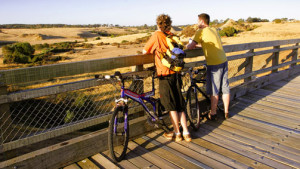
bicycle ridesLet’s be real; maintenance is such an ugly word. Whether it be the lawnmower, gutters, chainsaw or pool, each weekend is consumed by something that needs to be maintained. While there are no shortcuts if you want things to be in perfect working order, there are simpler ways of making sure you don’t spend your leisurely weekend couped up in the shed. One apparatus you can apply these tips to is your trusty bicycle. Contrary to popular belief, you’re bike doesn’t demand hours of tinkering nor an expensive trip to the specialist every other week. By giving your two-wheeler a measly ten minutes of TLC every week, you’ll be saving yourself from trying to find a few hours (let’s face it: half a day) every couple of months. Assuming you are a regular rider, this simple DIY guide will encourage a long-lasting bicycle without extended downtime at the shop.
Washing Your Bike

You’re car gets the special treatment every month, clearing it of leaves, bird droppings and that coffee you accidently left on the roof. So why wouldn’t you do the same for your bike? Unlike a car, cleaning your bike doesn’t take nearly as long, and with the right tools, you can head back to that midday lifetime repeat in no time. While you can invest in a bike cleaning brush and a chain scrubber, a toothbrush works just as well to get into those hard-to-reach places. Strapped with a bottle of degreasing solvent, a hose and a rag, your bike should be as good as new in only a few minutes.

Lubricating Your Bike

In the world of bicycle maintenance, lubricant is your best friend. If you’re unsure of which sections need attention, a good rule of thumb is: If it moves, you need to lube it. Lubricant is a magical sticky potion that prevents your two-wheeler from becoming a victim of excessive wear, stiffening and rust. While lube is great, overdoing it will do as much damage as leaving it alone. If you’ve gotten too enthusiastic with the lubricant, wipe it away before it dries.

Assessing Your Tyres

Checking your tyres before you hit the road while decrease the likelihood of being stuck walking your bike roadside while a million cars zoom past. Before you jump on the seat and take off into the sunset check the surface tread and sidewall of the tyre ensuring there are no cuts, bulges or debris lodged in the rubber. If you do find any glass or nails piercing the rubber, you will need to replace the tube. Any specialty parts can be found at places like 99 Bikes, click here to view their range.

Evaluating Your Brakes

Newsflash: it’s not a good thing if you are dragging your feet along the ground to stop your bike. It’s an issue commonly ignored by the average rider that can be easily assessed and fixed. To do this, simply hop on your bike and give the levers a good squeeze to ensure it comes to a halt with stretching or fraying the brake cables. Then take a look at the brake pads. Are they hitting the rims evenly?  Any unevenness means you will need to replace them.

Avid riders, do you have any simple maintenance tips? Let us know in the comments below.

How to set up the perfect play room for your kids

a perfect playroomKids love to play, and building and decorating your children’s playroom can be just as exciting for you as it is for your children. Regardless of the size of the room you’re building, you should zone the room off for certain activities. Creating a room that’s functional and fun is also exciting and fulfilling; involve the little ones in big decision, small decision and decoration, from the frustrating world of kids furniture to swirling, bright colour charts.
Cultivate Creativity
A child’s playroom is meant to inspire creativity and learning. As such, this should be the room where your children feel the most inspired. Include a creativity corner, so that your children can grab some crayons and markers, a notepad or crafts. To add a little flare, you can display creative scraps and classroom art masterminded by your children, as well as family pictures and inspirational quotes with a special meaning to your family.

Create Floor Space for Play
Kids need room to play, so floor space has to be a consideration in your plans. If you’re having an issue with floor space, use the walls for storage. Shelving can easily store books, small toys and other miscellaneous items from the playroom.

Incorporate a Learning Zone
The learning zone is one of the most important areas of a playroom. One of the most effective set-ups for the learning zone is chairs, a table and a chalk board. This set-up affords your children the ability to learn and role play as teachers and students. You can add books, notepads and other items as you see fit.

Include a Reading Nook
Although you are creating a playroom, a reading nook will enhance your children’s experience as well. It’s alright to allow a little TV, but reading should be the cornerstone of your child’s development.

Storage Unit
There is bound to be lots of toys and miscellaneous items in you children’s playroom. Since toys come in many shapes and sizes, you can store the majority of the toys in the room by using benches with buckets inside of them. If you have enough room, you can use an entertainment center for storage.

A Cosy Place to Sit
While it’s alright to have one big couch, try to include some small chairs and floor poofs. They make great mobile seats and allow your kids to explore the room in comfort.

Overall, think about the functionality of the space; what could it be with a little TLC and a liberal injection of imagination? As a safety aside, be sure to pick a flooring option that’s safe for kids and that can be easily cleaned. You can get away with absolutely anything (as long as it reflect the personality or personalities of your children), think about small details, subtle flourishes and space saving solutions to get the most out of your playroom investment. Do you have any ideas you’d like to share? Let us know in the comments below.

Tips to keeping your car clean when you have the kids

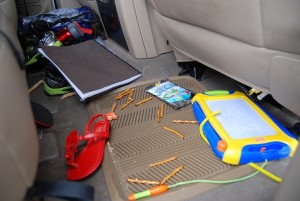
keeping your car cleanIf your family are anything like mine, more often than not the inside of your car will look more like a semi full skip after a house clearance rather than a clean, tidy and comfortable method of transport. Crisp wrappers litter the glove box, sticky sweets and crumbs can be found lurking between seats and half empty drink bottles roll aimlessly around in the foot wells. Add to this the smell of sweaty sneakers that have been in the trunk for the past six months, and travelling anywhere of any length of time suddenly becomes more health hazard than relaxing getaway.
School holidays tend to be the worst time. When the car is regularly taken to the pool, the park and the beach. No matter how hard I try, most of the beach seems to travel home with us including a couple of buckets of semi dead marine life that my daughter thought she could resuscitate once home. Needless to say they didn’t make the journey!

It doesn’t have to be this way. It is possible to create a clean, mean driving machine with very little effort and just a bit of organisation. In fact it’s almost as easy to get your car kiddie friendly, as it is to compare australian car insurance! Here are our top 5 secrets for doing just that:

1. Get organised and start as you mean to go on

The very first step to dirty car rehabilitation is to just get stuck in there and spend a couple of hours removing EVERYTHING from the interior that isn’t firmly attached, or part of the car itself. This includes car seats, floor mats, cushions, blankets and cuddly toys. Once empty, spend time cleaning the car from top to bottom remembering to vacuum between seats, clean sticky handprints from windows and check the roof and seat fabric for stains or marks. Replace car seats and in-car essentials tidily into the vehicle and throw everything else into the trash.

This is now the blueprint from which you should work.  Remember this moment, and how good it feels!

If they’re old enough, show your children the new and improved car and explain to them that this is the standard you expect it to be from now on, explaining that it’s everyone’s responsibility to keep it this way.

2. Invest in a hand-held rechargeable vacuum cleaner

A small hand-held vacuum cleaner is likely to become your new best friend, and should be given a special home in your garage or shed (pick the closest place to where you park your car that has an electric point for charging) ready to whip out following any journey that involved crumbs, mud or sand.  

Try to get into the habit of giving the car a very quick once over after every couple of journeys, and you’ll be amazed at how long the car stays fresh and clean. Consider incentivising an older child to do this as one of their chores.

3. Keep a stash of wipes and tissues in your glove compartment

If you already have children, I won’t need to explain how essential a ready supply of moist wipes and tissues is. From wiping up sticky hands to cleaning muddy shoes before they enter the car, you must NEVER be without these!

4. Become a bag lady

Before any journey of longer than an hour or so, remember to take a few disposable plastic or paper bags with you.  Crucial for easy disposal of litter, but can also double up as a makeshift laundry bag for soiled or wet clothes.

5. Store in car entertainment in plastic containers

Keep your children’s favourite CD’s, DVD’s, reading books and games in plastic containers that can be stored in the boot or under seats.  Encourage your children to replace everything into their box after each journey, and add little surprises to each child box before each journey  – like a new colouring book or set of pens. Not only will your car remain spick and span, long journeys become a source of excitement rather than one long chore.

5 Ways to entertain kids at home

5 ways to entertain the kids at home

To keep the kids happy, there are many ways in which they can have fun at home. Entertainment at home costs nothing. It’s also a great way to encourage kids to have their friends over or if life has been hectic, some solo time may be just what is needed to recharge.


A sleep over or a play date

Having a friend for a sleep over is exciting! You can put mattresses on the floor to make it seem special or even pitch a small tent or make a cubby inside. Torches, dvds, food and make believe will make this fun entertainment. Children always play well together, so organise a play date at home and the kids will make their own. Having a couple of organised activities on hand might be a good idea too.


Baking in the kitchen

Kids are always interested in what goes on in the kitchen and love being ‘helpers’. They love to stir and add ingredients. This is an ideal form of entertainment no matter what their age.  Younger ones can have a go at stirring or can decorate cakes or cupcakes once iced. Older kids can measure and add ingredients. The end baked result can then be enjoyed by all!


A craft day

Always keep a box for collecting interesting things like plastic lids from jars, wooden ice block sticks, empty toilet rolls, scraps of material even if you have to cut up an old piece of clothing, old wrapping paper, etc.  This is a challenge that will make you look at everyday items very differently! Children love creating. This activity will encourage them to use their imagination. Make sure to have child friendly glue, sticky tape and coloured markers on hand. Their crafty treasures will then be displayed with pride.


Outside play

It doesn’t matter what the weather is like, kids love running around and playing outside. You could organise a scavenger hunt, where you hide items in secret places around the yard.  Give them the list of items to be found and listen to their squeals of delight as they find each item. A treat can be given as a reward for the child who finds the most items on the list. Playing on a trampoline or swing set will also give them endless entertainment.


Pool party

If you are fortunate enough to have a pool, this is a great way to entertain kids of all ages. For younger ones, parents may need to stay. Children love making up their own games in the pool or your could provide a selection of floating games such as pool volleyball, dive rings or other inflatable toys.  Make sure to supervise the pool antics at all times and make sure to have a good supply of food on hand. Swimming always makes kids hungry! 

The goal of entertaining kids at home is to tire them out! Children have so much energy! This is all part of their growth and they will develop through play which stimulates them mentally as well as physically. Let children be children while they can.  They may want to show you a performance they have choreographed themselves or you may hear them acting out childhood games.

Design ideas for your child’s bedroom

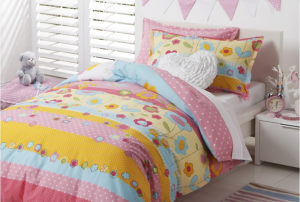
amart kids bedroomChildren only have one or two main concerns: how to mess up their room and how to build a fort out of their bedding. Most parents have general ideas on how they want to decorate their children’s rooms, however they don’t often think of the impracticality of their designs.  

 

Add A Splash Of Colour

Children love colourful rooms, as it can help settle their moods and inspire creativity. By painting the walls a nice bright colour, or even just a soothing pale yellow or lavender feature wall, you can make your child’s room more relaxing and inviting. You may consider creating a wallpaper pattern for a feature wall, which can be easily applied without any trouble.

Install Kid-Friendly Carpet

Even though you may worry that carpet stains while vinyl doesn’t, a soft, comfy floor is a perfect way to get your kids lazing about for hours reading or playing games. There are all sorts of carpet cleaner you can buy that will easily remove stains without any problems, and there are many stain protectors that will never wear off. If your child has a vinyl floorboard, soft rugs are a great way to create a comfy play area.

Hang Your Child’s Paintings

Paintings are a great way to add some colour and creativity to your child’s bedroom walls. Simply fill some photo frames with your child’s own drawings, or look for some paintings of animals, or mythological creatures that your children like. You can also string a wire across the wall and hang your child’s painting or sketch like clothes on a washing line, making it easier to chop and change each time your child draws something new.

Accessorise

A great idea is to accessorise your child’s room like you would an outfit. Just like a sparkly new dress needs a dazzling handbag, a newly painted child’s room needs a beaded door hanging, new fringe lampshades, or even a few posters from the ABC shop. Accessorising your child’s room is an easy way to reflect their personality, and the best part is that you can constantly change it as your child grows older. 

Create Storage Cabinets

Most children have untidy rooms because they have too many toys and not enough storage space. To maximise ample space in your child’s bedroom, why not buy a toy box, a wall storage cabinet, or even place the toys in a plastic container that can easily slide under the bed. This way you can create more space in the room and stow away the toys in an easy and practical manner.

Designing your child’s room can be a fun experience that will open up an exciting, clean play area for your children. Give your child a treat, redesign your child’s bedroom into a colourful den of fun today!


Don’t assume they know.

drill down dont assumeWatching Dr Phil the other day I listened to how a girl was out drinking with a group of “so called friends” boys, they all got drunk and she was gang raped.


 

Why did these boys take advantage of a drunken girl instead of just taking her home? There is no excuse for this. She ended up committing suicide because they distributed photos of the crime and harassed her both on social media and texting.

It got me thinking about what are we saying to both our girls and boys when it comes to behavior when out socially?

Often the words we use are simple and top line discussion instead of drilling down on exactly what behaviour is unacceptable. Simply saying, “be good” or  “don’t get into any trouble” isn’t enough for a young brain to compute or to make sense of, because at that moment they are thinking – of course I will be good, dad.

Lets stop for a minute, sit them down and have a real conversation about what good behaviour looks like and specifically how to look after friends and girls?

Here are some real topics to cover off with your sons and daughters…

  • When you are out drinking with friends and you see a girl that is drunk or vulnerable, you be responsible and ensure she is safe and no
    one touches her in an indecent way. If they do, gather your friends (for support) and say something to make it stop and take her to safety.
  • Call 000 if you feel someone needs more help than what you can give.
  • Never have sex or be intimate with a girl that is not consenting to it. If she says NO she means NO. Walk away, that is the end of that.
  • If you see a friend (girl) that is drinking to much, make sure she has girlfriends around who are looking out for her. If not, alert her friends.
  • If girls are drinking at a party and the boys out number the girls the girls should leave and go home.
  • If you sense trouble ahead on the street, cross the road and stay away from it.
  • Avoid eye contact.
  • Stay with your friends and don’t interact with aggressive people – walk away.
  • Go home before 1am and ensure the girls who are with you get home safely.
  • Do not take photos of people or allow your friends to take photos of people in compromising position i.e. nude photos, sexual photos
  • Never post a comment on social media that would hurt the feelings of another – discuss the feelings that can hurt i.e. embarrassment, unliked or feeling ashamed.
  • Respect other human beings and treat them how you would like to be treated yourself.
  • Call me anytime if you need picking up.

 There are many more direct conversations to have. I would be interested in knowing what other topics  you feel would be good to discuss. These topics help keep our children and others safe. If they are ever in the situation, they will draw back on the conversation and most likely act according to what was discussed.

Please like this and share to everyone for discussion.

Ways to help your child’s constipation

constipation symptoms in kids

Nobody likes feeling backed up; your stomach rumbles with discomfort, your clothes don’t quite fit as they should (and you have put on a kilo since yesterday!) and gas seems to punctuate social moments with embarrassing aplomb, as you rush to the toilet, convinced it might just happen this time. 

So you sit for a while…Nothing. Just more discomfort. Imagine how a child feels, unable to fully communicate their frustrations, dealing with the ballooning pressure of their bowels and intestine rebelling against the introduction of negative flora or a foreign substance into a well-tended digestive garden. Recognising the symptoms of constipation is half the battle for many parents, as children can remain closed lipped about their true feelings, fearing the same mortifying conversations we work through with our doctors.

Luckily, there exists a range of methods to help your child fight the back log and get back on the path to regular motions.

Water It Down

After pin-pointing certain difficulties your child may be having (a youngster is generally considered constipated if they’ve had fewer than three bowel movements in a week), you need to get things moving again by amping up their water in-take. Swap acidic juices and creamy milks for the goodness of H20, as water is a natural solution to this sticky situation – aim for three glasses every day, four if you can, introducing a fibre rich snack as an accompaniment, such as their favourite fruit, to let the child know this is not a punishment, but a fun cure.

The Fibre War

Speaking of fibre, most of us, including adults, aren’t getting enough out of our diet. Fibres aren’t metabolised quickly like processed foods, sugars and fats, acting as an internal scrubber as it makes over our intestines and pushes those harmful bacteria’s caused by starchy foods and sugary treats down the tube, with the help of water. Instead of trying your children on the merits of bran, take the punch out of it by letting them feast on oranges and bananas. They won’t suspect a thing!

Move It, Move It Now

Surprisingly, how often things move is directly related to ah, how often we move! Pushing your kids outside for a couple of hours every day for physical play will assist them in dislodging those stubborn clogs in their digestive system – even if they’re playing a round of soccer in the street with friends until dark or you join them on a bike ride pre-dinner, a healthy life demands physical activity. If they love structured activities, why not sign them up for a team sport or a squad based sport like swimming or gymnastics?

The Case For Structure

Kids love organisation. Don’t mistake the statement to mean something else, for most will reject any notion they should be organised, but rules and guidelines? Most kids need them and meal times are no different. It’s becoming exceedingly difficult to squeeze in the demands of family life with an almost twenty four availability, especially as more workplaces expect you take work home with you, but your kids need you to set meal time boundaries. A no TV rule, coupled with permission to leave the table and a specific bedtime will build a sense of security they need to thrive.

Do you have any tips of your own to share with other dads and friends? Let us know in the comments below.

What if the kids want to cut their visit short

If there is something upsetting your child, it helps if you have a cooperative ex spouse. They can assist you with explaining to your child that we have agreed that there is time spend with both mum and dad and it is your time with your dad now.  If your ex is hostile, they will probably make the situation worse by sympathizing with your child.

Your response to your child is important when they say “I want to go back to mum house”.

I would start by asking “what is wrong” and lets talk about it and try and resolve it. If it is just because you have disciplined them for being naughty, then the conversation could be more “I understand your not happy because I told you off but going home to your mums is not the answer”.

You could say that that your mum and I have agreed that in times like these going home is not an option. If they persist, a response can be “Going home whenever we have an issue is not how we solve things, let talk about it and work it out.

Loosing your temper will not help, If you feel upset, just say we will talk about this in a little while when both of us have calmed down. If it is because your child misses their mother, then maybe a suggestion to call and say hello. It would never be ok for you to accuse your child of loving their mother more.  It is not about that, they will probably be young and just simply missing the other parent.

A walk or an activity can always be a good distraction, keep busy with a bike ride or get a basketball and shoot some baskets down at the local court? You might even suggest that next time they should bring a photo of their mother so they can have it on there shelf.

You could also provide an activity for them – to make something special for their mum. Bunnings kids activitiesBunnings have quiet a few children’s  activity classes for kids over the age of 5 and you must accompany them. It would be worth checking out your nearest store for their times and taking your child along to make something for their mum. You can see more information here

Try your best to be understanding and compassionate, nothing will get resolved if you stand firm and say you are staying here hail rain or shine. Planning in advance to have one of their friends over for a play can help or arranging to drop your child at their friends house for  couple of hours can make them feel happy and that you understand their life needs to continue as normal as possible. I bet when you pick them up they will be happy that you provided the play date.

If you know people in your neighborhood with similar aged kids, it might be worthwhile in getting to know them so that you can do joint activities. There is a great group called Single Parent Active Kids they organise activities for single parents (for both mums and dads) to get together with kids and share fun activities, definitely worth checking it out, I have a post on them here: https://www.dadsonline.com.au/single-parents-active-kids

Making a Home Sweet Home

Home sweet homeOne of the down sides of separation is that children often think their real home is at there mothers and the dads home is a place they just visit.  This does not have to be reality, in fact it is not hard to make your home a “home sweet home”.  I didn’t want my child to feel that so I made sure  they had their own bedroom and personal items and attempted to make there life as normal as it possibly could be.
Even if the bedroom is vacant 80% of the time, it is still important to set up a home that they feel is theirs when they are with you.

It is critical that they feel they have another home they can relate to and it’s equally comfortable, homely and catered for as their mothers.

Ways this can be done…

Making a project of decorating the bedroom together can be fun and will create a sense of ownership. When setting up your home, have pictures of them, school certificates and proud drawings on the fridge or around the house. My daughter keeps a photo of her mum in a frame on her chest of drawers. She often sleeps with it under her pillow. If that makes her feel more comfortable, then I am all for it.

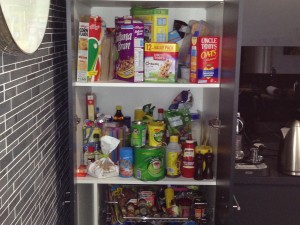
pantry for kidsThe pantry should be stocked with their favourite foods for snacks, breakfast, lunch and dinner. The bathroom should have their favourite shampoo, conditioner, toothpaste, body wash, brushes and combs. The bedroom should have items that are important to them like sporting equipment i.e. basketball.

dreamboard projectA dream-board is also a good idea to hang on the bedroom wall and pin photos, posters and memories to it. I made one from material I purchased from Bunnings, I used a chipboard backing and cork floor tiles. It was approx 1m x 1m and the cost was about $50 all up.
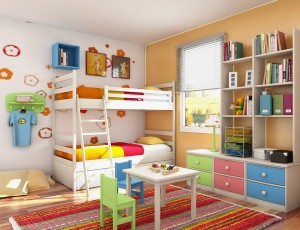
I have also found that buying books and games they like and keeping them on the shelf in their bedroom also gives a sense of belonging.

Creating that special space sends a good message to them such as:

  • This is their home too
  • They are top of mind
  • Life is still normal-ish
  • It is a comfortable space
  • They have their “things” not just a toothbrush
  • Reduces the amount of items they need to bring with them
  • You can have a fun time at dads too
  • No one can say you don’t try

Good luck with creating the special space for your children. Remember a Dads home is a great home… let us know how you go?


Tips for Helping Your Kids Decorate Their Room

Tips for Helping Your Kids Decorate Their RoomWhen it’s time to redecorate a kid’s room the most important thing to keep in mind is their tastes. Let your kids lead too demonstrate that their ideas have value, make the experience more fun, teach decorating skills and increase their appreciation of the final product. That doesn’t mean you can’t guide them, don’t over rule every decision they make.


Establish a Budget
There’s a budget for everything. Depending on your kids’ age, turn this project into a learning experience by telling them upfront what they’re able to spend and helping them learn how to spend the funds and still create a space that fits their ideas. This is a valuable skill that will serve them the rest of their lives. And they won’t even realize they’re learning something.

Choose a Theme
Choosing a theme can be very easy or very hard. If two or more kids are sharing a room, it can be especially difficulty to negotiate what the room is going to look like and who gets a say about what. Bunkers can make it a easier, effectively giving each child his or her own space. You could also break up the room by splitting it in half, letting them each decorate two walls or having a neutral space or colour on two walls and giving them one wall each to decorate. Or you could force them to come to an agreement.

Themes vary depending on your kids and their interests. If they’re having trouble coming up with ideas, suggest some of your own, or if they want too many things, suggest ways to narrow it. Possible themes include:

  • Sports
  • Princesses
  • Superheroes
  • Ships
  • Jungle Animals
  • Dinosaurs
  • Butterflies

Give the Theme Life
Based on the budget you’ve established, help them come up with ways that they can make their theme stand out in the room.

For instance, discuss what to do with the walls. Will you use paint? Wallpaper? Wall decals? Pictures and posters? What about the bed? Can you incorporate the theme into the bedspread? Into the pillows or sheets? What about the bed frame? Could you turn loft beds into a 2-deck ship or a tree house, with a nook for sleeping above and a place to do homework below?

For a lower budget, pictures can enhance a wall that’s painted in a favourite colour. Allow the kids to choose the colour and encourage them to have help with painting.

Keep it Functional
A solid theme doesn’t matter if there isn’t room for their things. Spruce up their old furniture with spray paint, find new pieces or visit a second hand store. Beds with storage space beneath them are also a good choice. Arrange the closet so it’s organized and holds more. Listen to their suggestions and try to incorporate them.

Helping kids decorate their bedroom doesn’t have to be difficult. It simply takes a bit of ingenuity and some creative ideas.

Parenting on a Low Income: Money Doesn’t Equal Love

parenting on a low incomeEvery parent wants to do a good job raising their kids.  Many parents with low incomes sometimes worry about how they can provide certain financial based items and activities to their kids. This can cause stress.  Will their kids be as happy as the children of wealthier parents?  Will their kids have to miss out on expensive extracurricular activities?  After all, what parent doesn’t want the best things for their children? 

If you’ve found yourself thinking these thoughts lately, rest assured that parenting on a low income doesn’t ensure an unhappy childhood for your children.  There are a variety of ways to enrich your little one’s life without spending a fortune.  With a little extra effort, your child can have a wonderful and full childhood.


  • Your attention is the most valuable thing your can give your child.  More than they want the latest toy or gadget, your children desperately want your love and attention.  Listen to them as they tell you about their days.  Take the time to watch as they explain the features of their favorite toy. 
  • Arrange for play dates with other children.  Many kids’ favorite memories are of the times they spent with their friends.  Want to build those same memories in your child?  Make sure that they have ample opportunities to get together with their friends or family.  Host two or three of your children’s friends for an afternoon.  If possible, let the friends’ parents reciprocate.  The kids will have fun and each parent will get an afternoon to themselves. 
  • Take advantage of all the things your local library has to offer.  Your local library can be a treasure trove of free or inexpensive activities for your children.  Most libraries have story hours for younger children.  In addition, many offer craft classes or other activities.  While you’re at the library, be sure to check out a travel guide or two about your own city; they are sure to highlight a variety of children’s activities in your area. 
  • Arrange a toy swap for your kids.  Ever notice how your kids love getting new toys?  As soon as the novelty wears off, though, many toys are left to collect dust.  Who wants to spend their hard-earned money on a toy that their little one plays with for a few days and then forgets?  A toy swap between friends or family members can be the perfect solution for this situation.  Invite a few friends over for the swap while requiring each child to bring a present that they no longer want.  (No broken toys please.)  Place each child’s contribution on a table, and let everyone select a new (to them) toy.  Everyone will leave with something new to enjoy without spending a dime. If you don’t have the family or friends, a great way to refresh your toys is to visit a Toy Library, there are over 160 libraries around Australia.
  • Consider secondhand options for necessary purchases.  Some expenses related to raising children can’t be avoided.  Clothing, for example, is a constant need for children as they continue to grow.  You can greatly reduce this cost, however, by turning to secondhand shopping options.  Shopping at Salvos store, resale shops, garage sales and even eBay can be a great way to keep your kids clothed in style for a bargain price.  As you shop, look for items that can fill other needs, too; toys, school supplies, and even electronics can often be found for less than half their original prices. 
  • Spend time on everyday activities: walking in and around parks playing ball games, take your basketball to the local court and shoot a few baskets, ride your bikes along the numerous bike paths, show your children a skill that you have learned like repairing a bicycle puncture, fixing a leaking tap, changing a light globe, brush and grooming the dog or cat, changing the cars window wiper blades.