A Dads Network

 Dads Online Podcast
- The law, family violence and getting help
- Should I go for financial settlement now or wait?
- Can my child’s surname be changed without my consent.
- Do I need an individual bedroom for each of my childen
- Dads Online Interview with Mentor Matt
- Is mum as important as your lawyer?
- Should I keep a dairy?
- Make patience your best friend
- What don’t we know
- Making practical parenting arrangements
Why it’s important for Dads to self care

10 tips for fathers in surviving divorce

How missing childhood events can impact adult relations

What to say to the kids

Practical steps to take when separating


Is your behaviour ruining your relationships?


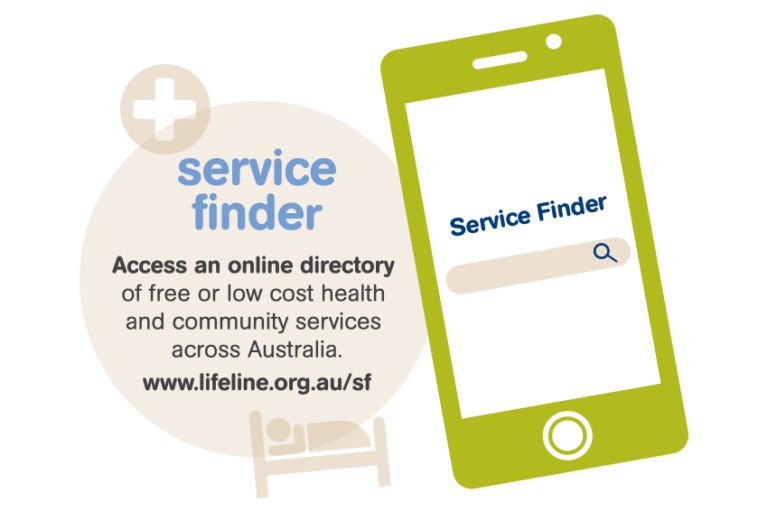
Service Finder
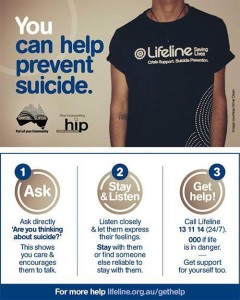
You can help prevent suicide
Australian Rail Trails Locations

How to help a friend if there not OK

Loosing friends through separation

The benefits of a happy plan

Separated dads have feelings too

Keeping in touch.

5 ways to deal with lifes challenges

Should I Reply to Every Message From My Ex?
Your phone goes off.
You look at the message.
You read it once, then you read it again, and by the time you’ve finished reading it, you’re angry.
You start typing.
You delete it.
You type something else.
And before you know it, you’re sitting there having an argument with someone who isn’t even in the room.
I’ve heard this story from plenty of dads.
Separation can turn your phone into a source of stress.
Every message feels loaded.
Even something that should be simple can become another disagreement.
So one of the questions I hear is, “Do I have to reply to everything?”
The answer isn’t always straightforward.
If the message is about the children and something needs to be dealt with, obviously communication is important.
But that doesn’t mean every message needs an immediate response.
Sometimes the smartest thing you can do is put the phone down.
You don’t have to respond while you’re angry
This is probably one of the hardest things to learn.
When someone says something that hits a nerve, your instinct is to defend yourself.
You want to explain your side.
You want them to understand what really happened.
You want to correct what you think is completely wrong.
But a text message isn’t always the place to do that.
And when you’re angry, you’re probably not communicating in the way you normally would.
That’s where things can get messy, as Daniel and I talk about in the video, communication during separation is something worth taking seriously.
Not because you’re constantly trying to build a legal case against the other person, but because what you write becomes part of the history of how you communicated.
The Court’s own material emphasises the importance of appropriate communication in family law matters, and correspondence with the Court itself is expected to be courteous and respectful.
So before you hit send, ask yourself whether the message actually needs to be sent.
Keep the conversation about what’s important
If the message is about your child’s school excursion, answer it.
If it’s about pickup time, answer it.
If it’s about medication, activities or something your child needs, deal with it.
But if it has turned into a conversation about what happened in your relationship three years ago, ask yourself whether continuing the argument is actually going to help your children.
Sometimes it won’t.
You don’t have to win every conversation.
Take your time
There’s nothing wrong with saying you’ll respond later.
You might be working.
You might have the kids.
You might simply need a bit of time to think.
That’s different from deliberately ignoring important communication.
It’s about responding when you’re calm enough to communicate properly.
And if there’s a legal issue involved, that’s a good time to get advice rather than relying on what someone on Facebook has told you.
A final thought
One of the hardest parts of separation is learning that you don’t have to react to everything.
You can choose how you communicate.
You can choose when you respond.
And sometimes putting the phone down is actually the strongest thing you can do.
Take a breath. Have the coffee. Then decide whether you still need to send it.
— Pete
How to Contact Us:
Dads Online Click here
Aston Legal Group Click here or Phone 0383918411