
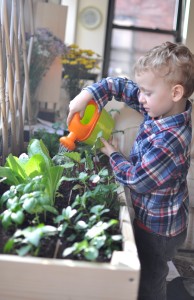
 Building your own vegetable garden is a rewarding and enjoyable experience, you can save money and have fresh vegetables in the comfort of your own home. You don’t need to have a garden either, if you’re living in an apartment or don’t have a garden, then there are supplies available in hardware stores with which you can grow a garden patch in your own kitchen window!
In any case, however and wherever you chose to start your vegetable patch you will find that the flavour and texture of your own home grown plant will exceed the products you find in grocery stores.
Have you ever thought about how nice it would be to share the experience with your kids? Growing a vegetable patch with them is an excellent way to bond and teach them some new and reliable life skills which they can use again in the future. It can be a fun and relaxing experience which can offer you and your kids some time outdoors and in the sun.
It’s not difficult to grow your own vegetables and anyone can do it, it’s much easier than you think. If the process is carefully planned then you and your family can enjoy the fruits of your labour – literally! You don’t have to spend hours and hours tending to most vegetable plants unlike certain exotic flowers, and if the whole patch is planned correctly if you are working in a large space then it certainly doesn’t need to be an eyesore either. You can incorporate flowers and other plants also to make your patch beautifully landscaped and still remain productive in your space.
The first thing to do is to decide which vegetables you would like to grow, and then start off small! Don’t overdo it as unfortunately many amateur gardeners will plant too much of what they need, and may end up wasting food or generally feeling overwhelmed with the amount of work and upkeep. So pre-plan with your children just how much you think your family may consume, this is also an excellent way to teach them about how certain plants can keep providing throughout the season. Meaning that plants such as tomatoes and peppers will carry on growing throughout the season so you will need less plants of these vegetables, whereas carrots and corn will only grow once, meaning you may want more of these.
Remember that its always quality over quantity, if you can highly maintain a small patch you will reap more produce than you would from a poorly maintained larger patch. So that means you can even grow in containers, which is the perfect solution for those who want their patch to be in a balcony perhaps as opposed to a garden.
Having a healthy vegetable patch requires three key factors; plenty of sun, abundant amounts of water and healthy nutrient-full soil. So before you start, choose a good location which can offer all three of these, keep in mind it is much easier to have your vegetable garden close to home or a water source so there is less hassle when it comes to watering. Be sure that your soil is full of organic matter so that your vegetables can use the best nutrients – you’ll certainly be able to taste the difference!
You can learn a lot and teach your children so much from growing their own vegetables, there is an added sense of responsibility as well if you set a schedule for your child for the days that they need to water the plants. As plants are live organisms they need tending to and protection, we can teach our kids about predators and disease too, there is a lot of science and nature that will naturally be addressed as you walk through your garden with your child.
Although kids may turn their noses up at the idea of growing plants as it may sound boring, but by seeing their parents tend to their growing plants will be sure to excite them and have them on board in no time. However you’ll find younger children will love the idea of getting dirty in soil and planting their own seeds.
Growing your own vegetable garden with your kids is also a great excuse to get your kids to eat their vegetables too! They’ll be sure to find them much more enjoyable when they know they have grown them themselves. Not only this, but by growing a garden with your child is also a fun way to get them interested in cooking their own food. These are healthy lifelong habits and skills you can teach your children from an early age that they will thank you for when they are older and can also pass onto their children one day. Your child will remember the quality time spent with their dad and it can be something special between just the two of you.
Although not much time is required in growing your own vegetable patch, a healthy amount of time weekly can be spent between parent and child with this gardening habit. Then once you’re both confident enough, you can move onto other gardening and landscaping projects together with more difficult plants and fruits. Not only can you increase your communication together but also you will give your child a whole new sense of appreciation for nature itself.
So don’t hesitate too much, even if you don’t have naturally green fingers it’s not a hard skill to master. Learn with your child and neither of you will forget the time spent together in the sun whilst you planted and then later harvested your fresh home grown produce.
 The boys are coming over. What results is a football frenzy that may, or may not involve drinking, eating and possibly a little bit of raucous behaviour. When your team loses it could spoil the day but if you follow these tips, regardless of the results, you’ll always be a winner.
 It’s no good having the barbeque outside and the television inside. How will you catch all the action if there’s a wall between you and the game? Hearing your mates screaming in excitement is no match for actually seeing what’s going on, so either move the TV to a spot that’s visible from the barbeque or move the barbeque to a spot where you can see the TV – even if it means bringing the barbeque inside the house. That’s a joke. Don’t do it.
 Let’s be real; maintenance is such an ugly word. Whether it be the lawnmower, gutters, chainsaw or pool, each weekend is consumed by something that needs to be maintained. While there are no shortcuts if you want things to be in perfect working order, there are simpler ways of making sure you don’t spend your leisurely weekend couped up in the shed. One apparatus you can apply these tips to is your trusty bicycle. Contrary to popular belief, you’re bike doesn’t demand hours of tinkering nor an expensive trip to the specialist every other week. By giving your two-wheeler a measly ten minutes of TLC every week, you’ll be saving yourself from trying to find a few hours (let’s face it: half a day) every couple of months. Assuming you are a regular rider, this simple DIY guide will encourage a long-lasting bicycle without extended downtime at the shop.
 Kids love to play, and building and decorating your children’s playroom can be just as exciting for you as it is for your children. Regardless of the size of the room you’re building, you should zone the room off for certain activities. Creating a room that’s functional and fun is also exciting and fulfilling; involve the little ones in big decision, small decision and decoration, from the frustrating world of kids furniture to swirling, bright colour charts.
  Working from home has its ups and downs like any other job. In some ways it can appear leisurely and luxurious. Those working nine until five office jobs crave the informality of working from home. And in many ways it is all they think it is. But there are downsides to working from home as well. It can be hard to motivate yourself to work, or to get work done as effectively as you would if you were in an office. Here are five tips for working more effectively from home.
 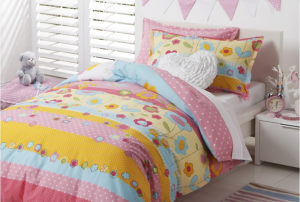 Children only have one or two main concerns: how to mess up their room and how to build a fort out of their bedding. Most parents have general ideas on how they want to decorate their children’s rooms, however they don’t often think of the impracticality of their designs.
  One of the down sides of separation is that children often think their real home is at there mothers and the dads home is a place they just visit. This does not have to be reality, in fact it is not hard to make your home a “home sweet home”. I didn’t want my child to feel that so I made sure they had their own bedroom and personal items and attempted to make there life as normal as it possibly could be.
 The pantry should be stocked with their favourite foods for snacks, breakfast, lunch and dinner. The bathroom should have their favourite shampoo, conditioner, toothpaste, body wash, brushes and combs. The bedroom should have items that are important to them like sporting equipment i.e. basketball.
 A dream-board is also a good idea to hang on the bedroom wall and pin photos, posters and memories to it. I made one from material I purchased from Bunnings, I used a chipboard backing and cork floor tiles. It was approx 1m x 1m and the cost was about $50 all up.
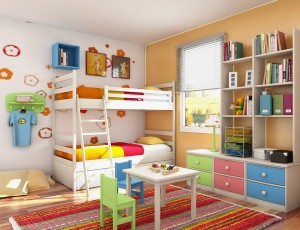 When it’s time to redecorate a kid’s room the most important thing to keep in mind is their tastes. Let your kids lead too demonstrate that their ideas have value, make the experience more fun, teach decorating skills and increase their appreciation of the final product. That doesn’t mean you can’t guide them, don’t over rule every decision they make.
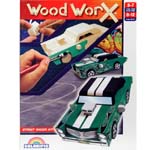 Did you know that Bunnings have a whole range of kids craft kits for both girls and boys. There is everything from race cars to pots and saucers. The kits contain everything you will need to complete the project:
















Recent comments