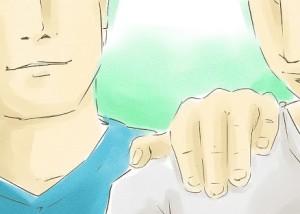
Will your teen choose to take drugs or alcohol?

Will Your Teen Choose to Take Drugs or AlcoholAt some point during their teenage years, almost all young adults will be given the opportunity to try drugs or alcohol. Some teens will resist the opportunity that is presented to them, whilst others will be unable to give in to temptation: The problem is though, that for children with addictive tendencies, what was intended to be a one off thing could well lead to a lifelong addiction problem. The best course of action, then, is to encourage your teen to always say no: but what makes one teen more likely to be able to resist temptation than others?

Some teens are simply better equipped to stand up to their peers and say no; often those teens with the ability to do this have other healthy coping skills when they are facing times of adversity, such as exercising regularly, eating a healthy diet, and attending positive sports and social groups such as their school band or other organised groups and societies.

Unfortunately, the drug and alcohol industry is full of successful marketeers who make the idea of taking drugs or drinking alcohol seem glamorous and ‘cool’: many teens are susceptible to these kinds of messages. Drug and alcohol use are still widely shown in movies, in music videos and on TV, which can sadly normalise their use amongst teens, leading teens to make adverse choices.

Exploration is an important part of being an adolescent, but uncontrolled exploration of drugs and alcohol can be very dangerous and potentially life destroying: this is something it is important for parents to attempt to control.

To find out more about the reasons why teens may choose to turn to alcohol and drugs, you can read a full version of this article here.

Thank you to Mel Gale for her guide.

Missing childhood events can impact adult relations

missing childhood events can impact adult relationsFor many years my eldest daughter has not spoken to me and I don’t really know why? You do a lot of soul searching and try to piece events together to get some sense of her saying that she “wants to distance herself from you”

She has married and you guessed it, I was not invited to the wedding! No walking her down the isle, no spending time with her prior to the wedding reminiscing about life and the wonderful possibilities that lay ahead. No meeting her future husband or her new extended family, just shut out. I did not do anything that deserves this punishment.

My relationship with her I believe was loving but less than satisfactory due to the restraints that were put upon us. When she was only a little child of 2 years, the family court said I could only see her on every second weekend. Making the most of it, we were Melbourne’s biggest tourists. I kept myself available for that weekend. I didn’t seek out career opportunities because it may have had me working away from home, I didn’t take on a girlfriend because I wanted to be completely available to her. Those weekends seemed to come around quickly, it was 52 days out of 365 a year and I cherished every one of them.

I sought counselling in the early days to deal with the grief of missing her and coping with a non supportive mother. They told me “maintain your commitment and don’t argue, just be her knight and shining armour and she will realise you are a good dad and a committed one when she is older”. In the weeks between, I would send her a card or a CD single of what ever was a popular song for that fortnight, there must have been shoe boxes of them if they were kept? but I think the forces were against me from the start!

She very quickly had a step-father and two step sisters, an instant family versus a single dad every second weekend.

Looking back I liken it to getting in the ring with Danny Green, it was never going to go my way.

Separation from your child causes sadness, heartache, regret and shame, not to mention the belief that you’ve failed at one of life’s most important tasks. Never for one moment would I have believed that I would be rejected for no apparent reason or no explanation?

Confused and at a loss to understand why I have been cut out of her life, I went searching online for answers. It seems that instances like this are often rooted in issues that go back to childhood. Issues and feelings that were never dealt with during childhood such as a conflicted divorce which can cause pain and anger that can fester. Then a “triggering incident” occurs later in life, often leading to an argument, and then the child cuts the parent off.

The arguments that can trigger these events can be a little as where to have Christmas dinner? In my case it was over her inability to attend the theater which opened up a can of worms that I was never expecting.

It has been very hard for me to comprehend what I did to push her away, in my mind I chased her and Ive been available all her growing years (every second weekend) until late teens. However there are some critical moments that play a huge role in the ability to connect in the early years that may result in suppressed anger and disappointment.

Answers I have uncovered recently that I wish I had of known earlier. Questions like:

  • Were you there for their school plays?
  • Did you attend parent teacher interviews,
  • Did you help them with their homework?
  • Did you go to their birthday parties?
  • Did you take care of them when they were sick?

Knowing the answers to these questions gives me insight into how my absence could have contributed in her ability to walk away.

I was never avoiding my daughter it was the set of circumstances we were in, I regretted every day that we were apart.

My ex wife and I did not have a co-parenting relationship, I had to constantly fight for fair access even though there was a court order in place. At one point I was denied my agreed access so I headed immediately back to court and had it reinstated.  This went on during the early years which killed any future healthy communication between her mother and I. Attending any joint events I felt like I was not welcome and I didn’t want my daughter to see that.

Regrettably I couldn’t attend her 21st, I was completely torn between going and not going. The anxiety I felt was overwhelming. Lots of old “so called” friends that deserted me like rats leaving a sinking ship were going to be at the party. I had become very distant and removed from that circle of friends due to our divorce. Even my best friend of 25 years sided with his fiance at the time and chose to distance himself from me.  To attend what I perceived to be the “lions den” caused over whelming anxiety, I just couldn’t do it! .

I discuss my feelings in depth with my daughter and I thought she understood my position, maybe not… I cant help but think what is happening now could be part of that unresolved festering anger ?

I know that an apology may not heal all wounds, I did wish back then I had the chance. She refuses to communicate and didn’t return calls or messages after repeated attempts on my part, so I have pulled back. You can’t force someone to love you, at some point you need to come to peace with the fact that you did everything you could to be the best dad that you were allowed to be.

I will be the only father she will ever have.  She has now had 2 children of her own, hopefully she will understand the undying bond between a parent and a child has and imagines what I went through as a separated dad seeing her sadly only 52 days a year.

Some of my reference material from my online sole searching has been from: The secret side of anger ,  Why adolescence don’t appreciate their parents , How to heal a rift with your adult children

Protecting children is everyone’s business

Report AbuseWhile browsing the web, you come across an image of a child which causes you distress. You believe the child has been sexually abused.

So, how can you report this to police?

You can report online child sexual abuse at www.thinkuknow.org.au by clicking the Report Abuse button. Reports of this nature go directly to our Child Protection Operations team for assessment.

In any situation where a person or child is in immediate danger, call Triple Zero (000).

Protecting children is everyone’s business. This White Balloon Day, think about how you can help to make Australia the safest place in the world for our kids.

A Date with Dad

A date with dadThe power of a “Date with Dad” is all about “being there” and spending time talking with your kids,  it is so profoundly meaningful that we often miss it.  Kids thrive when their dads take the time to be 100% present and are available to them.  A regular, “Date with Dad” with each of your kids separately is a great place to begin intentionally investing in the overall health and well-being of your child.  Date nights, days or even mornings do not have to be complicated. They can be a simply getting an ice-cream and going for a walk or sit in the park and chat.


Remember to Listen, be affectionate and never embarrass them.

If your looking for ideas on something new to do? Below I have listed a few ideas.

  • Choose a nice recipe and pick up the ingredients  at the supermarket and then return home and cook it up together.
  • Have a movie night.  Rent, buy or download a movie that you’ll both enjoy, make popcorn, and get relax on the couch.
  • Go for a bike ride or long walk together.
  • Get coffee/milkshake or hot chocolate at your favorite cafe – just spend time talking to one another.
  • Go swimming at your local pool together then sit afterward and have a relaxing chat.
  • Go to a theme park walk around and get on a couple of rides together.
  • Head to the zoo or museum. Stroll through the exhibits and discuss what you see and learn.
  • Attend a concert and sing out loud – even if you’re more Beethoven than Bon Jovi, is a great stress reliever.
  • Take a sculpting or drawing class together.  Your local council normally have short course.  Your art will give your son or daughter a new window into your personality.
  • Visit a golf driving range, bowling, pool hall,  for some old-fashioned fun and friendly competition.
  • Go to the footy together, even if you don’t stay for the whole game, have a game can be fun.
  • Fill up a picnic basket and head to the botanical gardens for a relaxing lazy lunch. Don’t forget your picnic blanket.
  • Act like tourists in your own neighbourhood.  Go to your major city and take photos, and pretend you’re seeing this place again for the first time.
  • Draw sketches of one another. Even if you can’t draw, you’ll have fun and create a lovely memory. Sign and date them.
  • Visit your nearby paint ball or laser tag facility.
  • Glide around at your nearest ice skating rink.
  • Investigate your local planetarium open hours and tour dates and book in for star gazing.
  • Go indoor rock climbing, this sort of activity is fun but also helps fathers and children to build trust.
  • Volunteer for a worthy cause together. Visit the ill, organize a fundraiser for a non-profit, or work at a shelter. You’ll spend time with each other, but you’ll also make a difference and help others. You can see what volunteer opportunities there are in your city by clicking here.
  • Have a tournament of your choice – Battleship, Monopoly, cards, Playstation, etc.
  • Maybe go for breakfast to a funky new cafe instead of lunch or dinner?
  • Go to the movies and have a milkshake or similar before or afterwards.
  • Take a hot air balloon ride.
  • Watch the sun rise or set from a great location.
  • Get your child to choose a restaurant, give them a price guide i.e. $ cheap. $$ medium, $$$+ expensive, suggest some locations, they can use Urbanspoon to do the research before hand and let you know where you will be having your Date Date.
  • Hire a fishing charter, they usually go rain hail or shine, they will also clean and fillet the fish, just take an esky to bring your catch home and have a cook-up on fish and chips.
  • Accomplish a fun home project together i.e.  Paint their bedroom.  You’ll work as a team and feel a whole new kind of satisfaction when you’re done.
  • Have high tea complete with scones and cucumber sandwiches at a ritzy hotel
  • Get an hour foot massage together at one of the Thai massage centers around town.
  • Write or get printed a few vouchers and have on them – “Date with Dad” voucher, valid for ever and include on each one an idea, outing or activity of what you both could do.  They can then cash them in  each time you plan a date.

Any other ideas you might have we would love to hear and share them with others.

If you could write a note to your younger self what would you say?

note to younger selfWow , Imagine if we were sat down in the lounge by our dad and he said…

Son, There are a few things that you need to know in life to succeed and I want you to remember them.

Firstly we would have to listen to the content without being a smug know-it-all teenager. Given that, I reckon I would still be married today, be financially set up for retirement, had lasting relationships with friend networks and generally enjoyed life more.

But unfortunately that never happened, not being smug, I was never sat down and given some “facts about living life”.

So for me, its about reflection and what have I learnt?

My note to self would look something like this…

  1. Focus and work hard at school, time flys so fast before you know it your out and into the real world
  2. Study a trade, probably a commercial electrician or a pastry chef…go figure?
  3. Catch up with your school friends often and keep them for life
  4. Go out with lots of girls, get to know what makes you happy and choose a life partner wisely
  5. Know that when you have children your life as you knew it changes for ever and so does your relationship with your partner. Choosing the right partner for the right reasons will become evident in the first 10 years of children
  6. Its doesn’t matter what your neighbours have, be happy with what you have
  7. Try not to be to serious, laugh easily
  8. Look after people who care for you without wanting anything in return
  9. Put in a solid days work and also as much effort in your private life, make sure you have fun at both
  10. Save money for retirement as soon as you start earning a wage, because again, time flys
  11. Don’t sell your real-estate assets, buy more and accumulate them
  12. Learn to cook and then cook for friends
  13. Treat your body well, relax and exercise often
  14. Travel with friends and on your own
  15. Help people less fortunate than yourself
  16. Remember there will be challenges, stay strong and hopeful.

I will be sure to sit with my child and have this conversation, maybe while we are in a cooking class or helping out the people less fortunate than us. I will let you know how that goes.

Listen to this post at Dads Online PODCAST


Dads don’t stop PDOA

Dads dont stop PDOAA fathers open and public display of affection should not be hidden away or confined to the inside of their house. You would have all heard about a women that left her common sense at home the other day and took a photo of a man taking a selfie and posted it on her Facebook page labeling him a sex predator! WT?

What ever happened to walking up to him and asking…

Can I ask what are you taking photos off and even asking to have a look?

before jumping to conclusions because of your own stupid insecurities. There is a better way to approach a situation first.

Strangers are everywhere, they are both women and men. We walk past them everyday, its the ones that hang around and look suspicious that draws our attention, normally there is “something” strange about their behaviour or their look. If your going to be hyper sensitive about men then make sure you have your facts right and don’t jump to conclusions in a split second.

I ask myself why is this happening? I’m hoping it is an isolated situation but I think it’s terrible cases like William Tyrell that challenge our peace of mind and feeling of security for our children.

I have a young daughter who I will be taking to the footy this weekend, I will be catching public transport, walking with my arm on her shoulder, possibly even holding hands and I’m guaranteed of having Public Displays Of Affection.

Lets not stop being affectionate to our children in public, if anyone has an issue its their problem not ours and if you have any concerns please don’t hesitate to ask me before you unjustly smash my reputation across social media.

The Dad documentary

FOUR DADS, ONE MUM, A JOURNO, A PROFESSOR OF FAMILY LAW, A JUDGE AND A POLITICIAN, ALL COME TOGETHER TO TELL THE STORY OF BEING A DAD.

In May 2013,  a Dad desperate to spend more time with his children asked me to research the injustices within the Australian Family Court and The Child Support Agency.

I couldn’t believe this worldwide problem was buried so deep, one which affects every person, young and old and is detrimental to our future, the cornerstone of society – family.

Parents all over the world are being alienated from their children, costing society millions and increasing the rates of depression and suicide.

Our Family Law system is “grossly overstretched”, court orders are not enforced and there are no repercussions for perjury.

Is our current judical system really working in the ‘best interest of the children’

https://www.youtube.com/watch?feature=player_embedded&v=0Yor8GUuBVo

Directed & produced by: Karen Hodgkins
Virtual Reality Media

Note: There will be campaigns run around Australia, I will keep you updated once we know their plans, dates and locations.

Card Hug – a great way to keep in touch

It is not surprising that Australia Post won the best print advertisement at the Caxton Awards in 2007.  M&C Saatchi Melbourne created the advertisement rightly named “Letter Hug”.  In a previous post we spoke briefly of keeping in touch in between visits by sending a card, for the purpose of this post we should call it the “Card Hug”.  The cards are simply written with loving words that ensure your children know they are top of mind even when you are not there.  It can be a message saying  you have arranged something special for the next time they visit, or you were remembering the last weekend and how much fun you had together.



It could be even letting them know how proud you are of them and to have a great week with their mum and you will see them soon. There are lots of message ideas and anyone from 4 – 74 enjoys receiving cards.  A “card hug” sent fortnightly can be a wonderful reminder and a nice habit to get into.

Let us know if you have had experience with this?

The career advice I wish I had at 25

The career advice I wish I had at 25If you’re lucky, someone like; your dad, a teacher, your uncle or your mum shared their personal career experiences and insights with you when you were young. By the time we get to 50 we have gained so much valuable knowledge but it’s useless unless we share it with our kids and use it to equip them with some of our life lessons learned. I wish I had this career advice when I was 25.

1. A career is a marathon, not a sprint
Chill. When we are younger we tend to be impatient. As you get older you realise there is no real rush. Life, and the careers we pursue to fill it and pay the bills, needs to be approached on a long-term basis. If you sprint you will wear out or start to resent work that you previously enjoyed. Allow yourself time to breath and grow. Things will come if you work hard and allow yourself time to get good at things. Always rushing only leaves you empty, and tired. It is fine to give yourself permission to take some time in the slow lane with the hat people. You will find yourself seeing things on the journey that you didn’t realise were there.

2. Most success comes from repetition, not new things
I remember hairdressing legend Stefan Ackerie telling me this in 2003. I had never really thought about it before. A few years later Malcolm Gladwell’s brilliant bookOutliers was published, promoting the idea that you needed to spend 10,000 hours on something to become truly expert at it. This applied to the Beatles and their Hamburg gigs and Bill Gates who, through a series of fortuitous accidents, ended up spending more time than almost anyone else on a computer.

The lesson here is get good at things before you try to move to the next thing. Genuine expertise belongs to an elite few. They seldom have superpowers. They usually have endurance, patience and take a long-term view. They also love what they do. If your find that, don’t let it go.

3. If work was really so great all the rich people would have the jobs
It is well established that almost nobody laments on their death bed that they didn’t spend enough time at the office. This seems obvious. Yet still we let contrived circumstances and fairly trivial issues keep us from important events like school sport days and kids getting badges for picking up rubbish. I wish somebody had schooled me about these priorities at 25. I can remember every sport day and certificate presentation I missed. I can’t remember any of the reasons I missed them.

4. Deprioritise your career when your kids are young
If you have skills, commitment and passion, careers tend to take care of themselves. Over the long haul, it really doesn’t matter if you have a few years when your career is in canter mode while you prioritise young children. This should apply to men and women. I was watching some video of my kids when they were little last week and I realised, again, that the little people in that video don’t exist in that form anymore. They have grown into pride-worthy adults but the tiny people with wonder in their eyes were just passing through. If you miss that time meeting deadlines and finishing reports, you never get it back. Childhood is fleeting. When it is in its formative stages, you get one chance.

You can also miss the chance to learn. Children teach you a lot more than you teach them. They give you a second chance to see the world for the first time through their eyes. And you will be astounded what you miss in the clutter of life. Hold onto those times while you can. As the nun sang in The Sound of Music, you can’t keep a wave upon the sand. And you look kinda ridiculous trying.

5. In the workforce, always act like you are 35
A recruiter gave me this advice some years ago. It is quite inspired. What she meant was, when you are young in the workplace, don’t act as a novice. If you are smart and competent, step up and do whatever you are capable of doing in a mature way. Similarly, when you are an older worker, don’t act like it. Approach your day with youthful energy. To quote a famous Frank Sinatra song: “You’re 35 and it’s a very good year”.

6. Management is about people, not things
It is easy to fall into the trap of believing that all people are equal, behave the same every day and have a generic capacity to perform. Humans are simply not made like that. Business guru Jack Welsh says the workforce consists of 20 per cent of people who are high performers, 10 per cent that you should get rid of and 70 per cent who do okay. The problem is the 70 per cent. Most managers want everyone in the 20 per cent. We need to be careful not to believe that the 70 per cent are underperformers. Sometimes we need to celebrate the competence of the masses not the superpowers of the elite. As managers, we are not managing things, we are empowering people and making the best use of whatever it is they bring to the table.

7. Genuinely listen to others
It is easy to fall into the trap of thinking we have all the answers as individuals. We don’t. As a group we are far more powerful. We need to learn to genuinely collaborate and really listen to the opinions of others. And we need to ask our own people first. So many managers and firms fall into the trap of asking external consultants for answers and then trying to implement the recommendations over the top of tried-and-true employees. In almost every case, our own people already know the answers. We need to avoid letting familiarity blind us to the talent sitting around us.

8. Never work for horrible bastards
Life is way too short to tolerate really bad bosses. If you find yourself working for one, unless you are desperate or starving, start looking for a new job. Immediately. Then sack the bad boss. By leaving.

9. Recognise that staff are people with finite emotional capacity
This is one I really wish I had known earlier. It is clear to me now that humans have a finite emotional capacity. If there is something challenging happening in their personal lives, they have limited capacity left to deal with issues at work. In nearly 100 per cent of cases I have dealt with of people suddenly under-performing at work, it has nothing to do with work. When good people have problems, managers and companies need to carry them. This should be a personal mission. If we learn to carry people when they most need it, we become a stronger community and we empower people in ways that we probably can’t imagine when we are young. A re-invigorated broken employee is a corporation’s most powerful force. They become a slightly better version of themselves without the need for a V energy drink.

10. Don’t just network with people your own age
Beware the whiz kid syndrome. Smart, young people have a habit of forming communities of other smart young people and feeding off each other’s energy. In the older world they are seen as “bright young things” that give confidence that the future is in good hands. Argghhhh. How many times have you heard that? Youth enclaves can actually be restrictive. Smart 20-somethings should make sure they network with older people too. In fact their networking should be about meeting useful mentors and career champions who can open doors and fast track careers. Similarly, older, successful people shouldn’t just sit in musty clubs talking about the 1970s. They should be proactively seeking out smart, young people who can shake them out of their comfort zone and open their eyes to new ideas.

11. Celebrate cultural differences in the workplace
One of the big mistakes we make in Australia is failing to adequately recognise the value of overseas experience and people from a variety of cultures. Diversity brings a richness to our workplaces that benefits all of us. Overseas experience is real experience. We should take every opportunity to inject new thinking into our workplaces. It is where the magic begins.

12. Take the time to understand what your business does
I love the story of President J F Kennedy’s visit to NASA during which he asked a cleaner what his job was. The cleaner replied that he sent rockets to the moon. All of us should feel part of what our organisations actually do. We should take the time to be part of the big picture and always feel connected with the true objectives of our workplace. Don’t wait for someone to tell you or lament that internal communication is crap. Find out for yourself.

13. Don’t put off working overseas
Geography is becoming less relevant. We are all citizens of the world. President Obama made the point during his University of Queensland speech that the world was becoming smaller and even the Pacific Ocean was now just a lake. If you get the chance to work overseas, and you aspire to do that, take it. There is never a right time. And we always regret the things we don’t do far more than the things we do.

14. Work in an office where you have friends
You will spend a lot of time at work. You should work with people you like. I used to be a bit sceptical about a question in employment engagement surveys asking people if they had a “best friend” at work. I realise now that work is much better if you are among friends. The happiest people are those who do things they are passionate about with people they really like. Further to that, if you find you have taken on a job you hate, ditch it quickly. Your career can survive a few well-intentioned detours and mistaken pathways.

15. Never sacrifice personal ethics for a work reason
Crucial to workplace happiness is value alignment. If you work somewhere that compromises your personal ethics and values, get out of there as quickly as you can. Good people will be unnerved by things that don’t feel right. If it doesn’t feel right, it probably isn’t. Bad things only manifest when good people don’t take a stand.

16. Recognise that failure is learning
As bizarre as it might sound, failing is not failure. Researchers recognise that failure is just part of a process to eliminate unsuccessful options. To misquote Woody from Toy Story, when we make a few mistakes, we are not failing, just falling – with style. Even fairy-tale princesses recognise that you need to kiss a lot of toads before you find a handsome prince. Thomas Edison articulated this best: “I have not failed. I have just found 10,000 ways that don’t work.” If we fear failure we tend to take a minimalist approach to our jobs and the opportunities around us. Takes some risks. Sometimes failing spectacularly is the best evidence that we are alive, human and serious about aspiring to the extraordinary. There is no value in being ordinary when you have the capacity to be remarkable.

Thank you to Shane Rogers – Queensland Editor at The Australian

How to teach your kids about cyber safety

How to teach your kids about cyber safetyUnlike when we were young, stranger danger is about a lot more than what happens in the real world. While it is important to ensure your child knows the age-old stranger danger concerns, it is equally important that they are equipped to protect themselves when on the Internet. Here’s a handy guide on teaching your children everything about cyber safety, from safe browsing habits through to suitable online security solutions like Your Digital File.

Explain Being Online

The first step is to teach children the extent of their online behaviour. Children are often more plugged in than we are; however, many are unaware that the tools that they are using are actually Internet-enabled. Your child needs to understand that they’re online when they’re browsing websites, playing games (on console, computer or mobile), social networking, instant messaging, chatting or reading blogs. It’s much easier to teach children safe online habits when they understand the scope of online behaviour.

Explain Personal Information

Most adults acknowledge that sharing personal information online is a bad idea. It can be harder to convince children though, as many don’t comprehend the difference between general information and personal information. Have a conversation with your child about personal information. Explain that any information about where they live, where they go and how to contact them is personal and shouldn’t be shared. Make a list of the information that counts as personal information (name, address, phone number, etc.) and keep this beside the computer.

It’s important that they also understand that personal information isn’t just accessed via text. Shared images can contain personal information – school logos on clothes, street signs, car registration numbers, etc. – that can be used for nefarious purposes.

Discuss the Issues

Children face a range of issues with their online behaviour – cyberbullying, reputation, identity theft, illegal content, offensive content, sexting, trolling and unwanted contact. Each issue has different circumstances, challenges and implications. Do some research to understand each of these issues yourself before sitting down to talk with your children. It is important to discuss these issues, as children are better able to protect themselves if they can recognise the risk they’re facing for what it is.

Social Security

The risks increase dramatically once older children become active on social media accounts. Whether they’re on Facebook, Instagram, Pinterest, Twitter or any of the smaller networks, the increased social behaviour means there are more opportunities for risk. Ensure your children understand that what they do on social media sites has repercussions in the real world. They should only post comments and images that they would not be ashamed for you or their grandparents to see. Social media should never be used to spread lies, gossip or bully another individual. Safe social media habits protect your child, their friends and their future.

These tips aren’t just about protecting your child online. They’re about helping your child developing attitudes and behaviours that enable them to protect themselves. Take the time to talk through the issues with your children as soon as you can.

Dads: Do you know when your Daughter will get her first period?

daughters getting first periodIn this contemporary setting a father has an equal role in parenting his children and in many cases is the primary or sole carer. Dads are striving to be better role models in their sons and daughters lives but don’t necessarily have the confidence or the skill to handle all the issues that arise.

Initiating the conversation about your daughters’ first period is incredibly daunting for many dads. Maybe this is an issue that you haven’t even thought of yet; do you know when she will start?
Do you know what products to buy? How will you handle this issue when it arises?

Our advice is to get the facts and be prepared. Start talking to your daughter about periods before it happens when she will most likely be more open, receptive and interested. Many girls will not want you to know when or after it has happened and you may not find out until she has blocked the toilet with a pad or tampons.

Many men have a negative view of a women’s menstrual cycle through experience. Often you only hear the complaints about pain and the emotional ups and downs of PMS. You may not want to know that many women do not experience any discomfort or mood swings.

Here’s some news dads – for most girls getting her first period is exciting if she knows all about it and frightening if she doesn’t!
A girl’s first period marks an important stage in her transformation from child to woman.

The most important thing you can do as a dad is to make sure your daughter feels reassured and not embarrassed, all girls get their period eventually.

Around the age of nine, is a great time to start having conversations about the topic. You don’t need to go into detail in the first instance, but once she starts getting to that age, have a casual chat about it in the car or an informal place where you both feel comfortable. Ask her if she knows what a period is, and if she has any questions about getting her period and let her know that she can ask you anything and at anytime. She’ll probably be far to self-conscious to discuss intimate details with a male but having made the offer will let her know that you care and are there for her, and that’s the most important thing.

Many men will find it hard to start the conversation about periods with their daughters and may try to avoid the topic until its necessary. We have created a solution that may help you start the conversation.

…it’s a Girl Thing! Have designed an Emergency Period Purse for parents to purchase for their daughters.
It’s contains an information booklet on periods and other essential items a girl will need to manage the situation discreetly. It should be kept in her school bag or any activity/sports bag as a security blanket. School camps are an ideal time to ensure that there is no emergencies or embarrassing accidents.

…it’s a Girl Thing! Has also developed an informative visual presentation for a girl aged 8+ called “Hey Girls have you started yet?” which is all about preparing for your first period.
For further details see our website

Information regarding …it’s a Girl Thing! Emergency Period Purse: www.peridonna.com.au
email: info@peridonna.com.au

Whether you are a single dad or not, talking openly with your daughter about her period will lay the groundwork for more discussions later on in life. Keep it honest, frank and natural.
Find ways today to be a part of her life and spend time together.

by Fotini Antoniou & Susan Brasch

Don’t assume they know.

drill down dont assumeWatching Dr Phil the other day I listened to how a girl was out drinking with a group of “so called friends” boys, they all got drunk and she was gang raped.


 

Why did these boys take advantage of a drunken girl instead of just taking her home? There is no excuse for this. She ended up committing suicide because they distributed photos of the crime and harassed her both on social media and texting.

It got me thinking about what are we saying to both our girls and boys when it comes to behavior when out socially?

Often the words we use are simple and top line discussion instead of drilling down on exactly what behaviour is unacceptable. Simply saying, “be good” or  “don’t get into any trouble” isn’t enough for a young brain to compute or to make sense of, because at that moment they are thinking – of course I will be good, dad.

Lets stop for a minute, sit them down and have a real conversation about what good behaviour looks like and specifically how to look after friends and girls?

Here are some real topics to cover off with your sons and daughters…

  • When you are out drinking with friends and you see a girl that is drunk or vulnerable, you be responsible and ensure she is safe and no
    one touches her in an indecent way. If they do, gather your friends (for support) and say something to make it stop and take her to safety.
  • Call 000 if you feel someone needs more help than what you can give.
  • Never have sex or be intimate with a girl that is not consenting to it. If she says NO she means NO. Walk away, that is the end of that.
  • If you see a friend (girl) that is drinking to much, make sure she has girlfriends around who are looking out for her. If not, alert her friends.
  • If girls are drinking at a party and the boys out number the girls the girls should leave and go home.
  • If you sense trouble ahead on the street, cross the road and stay away from it.
  • Avoid eye contact.
  • Stay with your friends and don’t interact with aggressive people – walk away.
  • Go home before 1am and ensure the girls who are with you get home safely.
  • Do not take photos of people or allow your friends to take photos of people in compromising position i.e. nude photos, sexual photos
  • Never post a comment on social media that would hurt the feelings of another – discuss the feelings that can hurt i.e. embarrassment, unliked or feeling ashamed.
  • Respect other human beings and treat them how you would like to be treated yourself.
  • Call me anytime if you need picking up.

 There are many more direct conversations to have. I would be interested in knowing what other topics  you feel would be good to discuss. These topics help keep our children and others safe. If they are ever in the situation, they will draw back on the conversation and most likely act according to what was discussed.

Please like this and share to everyone for discussion.