
Happiness is different for each of us. For example, I went to the comedy festival recently with my GF and during the show, she turned to me and said “Didn’t you find that funny” I said…
I did but I was laughing inside LOL 🙂
It made me think…It is much more engaging to laugh on the outside and show the world you are outwardly happy. It’s hard to tell from the outside if someone is happy or sad or even just neutral? But as we know, going through divorce or separation with children can slap the smile off any Dad’s face. Over time some of us become a little more “serious” and it takes a lot more that Dave Hughes, Judith Lucy, Julia Morris or Wil Andreson to make you laugh.
Happiness is something I feel we need to practise and continually work at so we don’t loose our funny bone 🙂 I always admire people who are quick to laugh and find funny in the smallest moments.
Here are some practical ideas to work on that can help you find your sense of humour and happy-bone back.
 If it’s worth a smile then SMILE everytime, same goes for a laugh.
 Plan a trip of any sort and get away.
 Meditate and rewire your brain to accept happiness
 Dedicate some time during the week helping others, a great way is to join a charity group, they always love volunteers.
 Exercise 3 times a week, its takes discipline but its worth it.
 Get out and walk and breath in that oxygen as much as you can
 Have gratitude for even the little things
 If it is at all possible move closer to work.
 Hang out with a friend that is positive and enhances your life.
 Learn to play guitar or an instrument you like the sound of.
 Sleep and rest, Go to bed early and sleep-in when you can.
Go on, practise a few of these and be intentional about doing them, you will see change and after a while people will notice a sense of fun about you or at-least a few more smiles 🙂 :
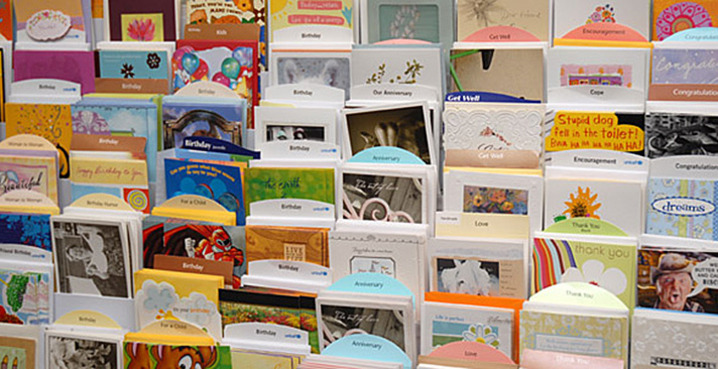
 It is not surprising that Australia Post won the best print advertisement at the Caxton Awards in 2007. M&C Saatchi Melbourne created the advertisement rightly named “Letter Hug”. In a previous post we spoke briefly of keeping in touch in between visits by sending a card, for the purpose of this post we should call it the “Card Hug”. The cards are simply written with loving words that ensure your children know they are top of mind even when you are not there. It can be a message saying you have arranged something special for the next time they visit, or you were remembering the last weekend and how much fun you had together.
 We all know it’s sometimes hard to make ends meet even when we are living as a couple. It can get harder when living as a separated dad as it is more expensive living as a single. Not only are you now paying all your living expenses on your own but you most probably have additional expenses in way of child support and assistance for your children and/ or just the added expense of caring for the children whilst in your care.
 Fathers who have more contact with their children suffer less grief than fathers who have little contact. I have experienced both sides of this fence, and can empathise with fathers who see their children only every second weekend or less for that matter. This causes grief through the feeling of “separation loss” of your children. The moment we leave the family home our role changes, we are forced to physically care less for our children on a day to day basis. Everything we used to do in our former family life is adjusted!























Recent comments