
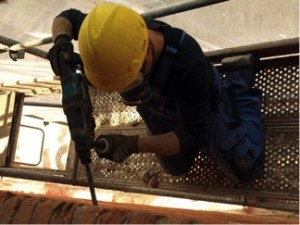
 Getting your first part time job is a proud moment in anyone’s life, and this will be no different for your teen.
Gaining some independence, developing life skills, and earning a bit of cash to spend on just about anything are some of the reasons first jobs are so exciting.
However, in spite of the huge number of benefits of young people working, a growing number of teens are finding themselves injured or, in the very worst cases, killed whilst at work.
Adolescents and young adults (aged between 15-24) suffer approximately twice the rate of occupational injuries as older workers. Experts believe teens may be more at risk because they have less work experience than adults, and may be less confident about speaking up about unsafe working conditions.
If your teen has just secured their first job, make sure you talk to them about identifying and minimizing their risks whilst at work:
Job Options
Help your teen to understand that different jobs carry different levels of risk. For example a job laboring at a construction site is likely to carry a greater risk of physical injury than one in an office or shop.
Workplace Safety
Discuss possible safety issues and safety risks with your teen, and quiz them about what they believe to be dangerous working conditions.
- Discuss work tasks
- Find out what types of equipment and machinery they will use
- Establish what types of protective gear (such as gloves, glasses and ear-plugs) is available to your child, free of charge, of he/she needs it.
In many cases teens just don’t recognize danger before it’s too late. Make sure your teen has a good basic understanding of how to keep safe at work, and what their employer’s responsibilities are.
Check the employer
Consider visiting your teen at their workplace to assess the safety of the environment. Avoid embarrassing them by keeping it light and informal – maybe meet them for lunch or a drink whilst you have a quick look around. If your teen’s employer is a responsible person, they will understand your concerns.
Things to consider include:
- Do most of the employees seem happy and satisfied?
- Does the workplace seem reasonably safe?
- Is the place of employment tidy and organized?
Claiming for compensation
If your teen is unfortunate enough to be injured at work, then there are a number of ways in which they can claim for compensation. Remember the amount awarded will vary from state to state and it can be difficult for the average person to know their legal rights.
Speaking to a professional injury lawyer can make a big difference to any injury claim.
 News gleaned from the TV, radio, or Internet can be a positive educational experience for kids. But when the images presented are violent or the stories touch on disturbing topics, problems can arise.
 Having a teenager can be a difficult time, and being one can be even harder. It’s a strange time in their life as they aren’t a kid anymore, but they still rely on people to assist them with decision making. There has been an increase of teenagers joining the workforce in recent years, and the idea of letting adolescents work has been a heavy debate for years. If you and your teenager are trying to decide if getting a part time job is right for their path, there are a few things to consider:
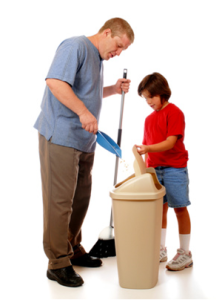 There was one thing I was looking forward to when I had my first kid. It wasn’t spending time raising someone to be responsible, nor was it having a new best friend to laugh and play with. It was finally getting someone else to mow the lawn for me. No more of my weekend time wasted pushing my lawnmower with the busted automatic drive, no more time fixing the bag that keeps falling off, and no more hauling the grass bags off to the bin. That is all Dennis Junior’s job.
 If your kids are anything like mine and i think most are, they are fussy eaters.
 Khaaliq Thomas is a professional photographer and custodial dad of 3 (recently divorced). For the past year he has been working on a photo documentary concentrating on single / custodial fathers households.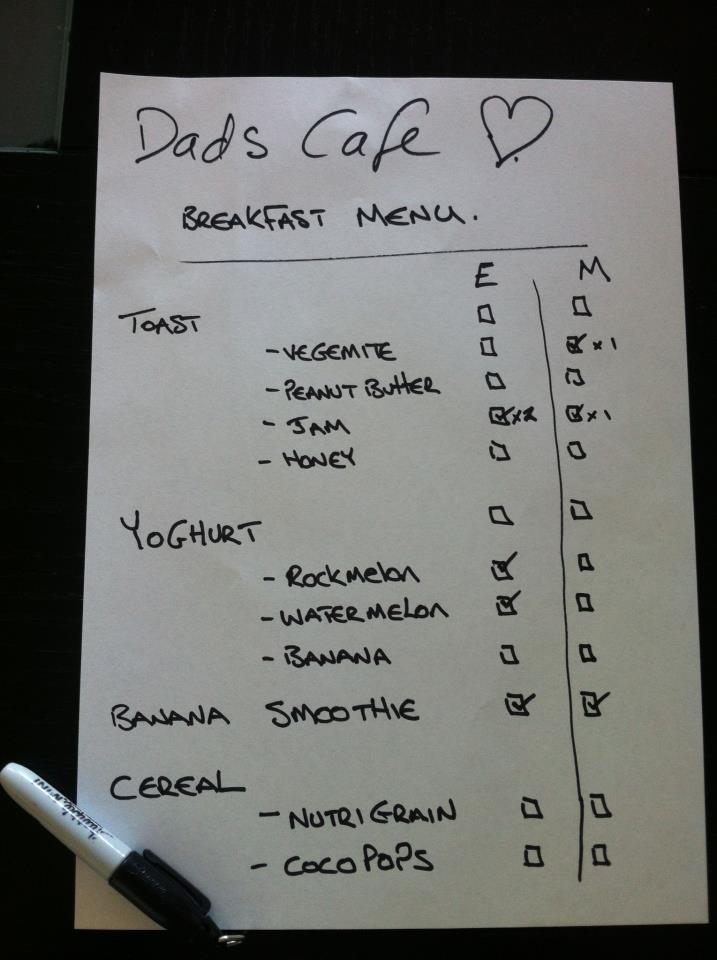
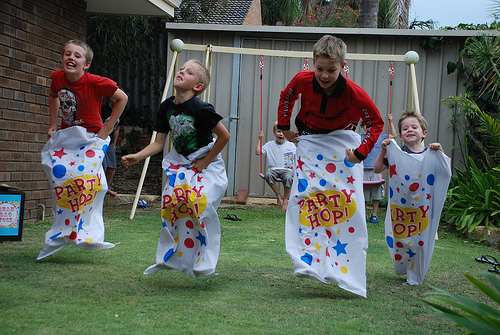
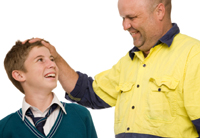 Healthy self-esteem is like a child’s armor against the challenges of the world. Kids who know their strengths and weaknesses and feel good about themselves seem to have an easier time handling conflicts and resisting negative pressures. They tend to smile more readily and enjoy life. These kids are realistic and generally optimistic.
 The hacking of mass accounts on a social network is something that seems to be happening a great deal recently, with LinkedIn being the latest victim, after having 6.5m of its users passwords stolen.
 All kids from young to teenagers need the basics of life – like food, warmth, shelter and clothing. But they also need to feel loved and secure. By giving our children all the things they need, we can help them be safe, strong and thrive.
 Children love stories about themselves – it helps them feel loved and important. You could make a scrapbook or even a cork pin-board that’s all about your child from the time they were born. Put all sorts of things in/on it, cork boards are a great way to display dreams and positive affirmations:
 I have always been concerned about my child being approached by a dangerous person. I cant imagine another instance that I would be more scared of? There was some research done in NSW that showed 95% of attacks on children are from people they know. Which also means we need to educate our kids on the safe places around them like shops, neighbours and who are the safe people in our lives.











Recent comments