

Creating a strong support system is essential, especially when facing separation from loved ones or dealing with challenging situations. Your support system can provide emotional, practical, and psychological support, making it easier to navigate difficult times. Here’s how to build and nurture a network of friends, family, and support groups:
1. Recognize the Importance:
- Understand that no one can go through life’s challenges alone. Recognize that building a support system is a proactive step towards emotional well-being and resilience.
2. Reach Out to Friends and Family:
- Start by strengthening your existing relationships. Reach out to friends and family members and let them know what you’re going through. Open and honest communication is the foundation of a strong support system.
3. Join Support Groups:
- Consider joining support groups or communities that focus on the specific challenges you’re facing. Whether it’s a support group for military families, parents of children with special needs, or people experiencing a similar life transition, these groups can provide valuable insights, empathy, and shared experiences.
4. Online Communities:
- In today’s digital age, you can find support and knowledge online as well. There are numerous online forums, social media groups, and support communities dedicated to various topics and challenges. Engage with these platforms to connect with people who understand your situation.
5. Professional Help:
- Sometimes, the best support comes from trained professionals. Consider seeking therapy or counseling if you’re going through a particularly challenging time. A counsellor can provide guidance, coping strategies, and a safe space to express your feelings.
6. Be Vulnerable and Open:
- Building a support system requires vulnerability. Be open about your feelings and needs with those you trust. Let them know how they can support you effectively.
7. Offer Support in Return:
- A support system is a two-way street. Be willing to provide support to your friends and family when they need it. Mutual support strengthens bonds and creates a more robust network.
8. Set Boundaries:
- While building a support system is essential, it’s also crucial to set boundaries. Understand your own limits and communicate them to others. Don’t overextend yourself emotionally or physically.
9. Regular Check-Ins:
- Stay connected with your support network regularly, even when things are going well. Consistent communication helps maintain strong relationships and ensures that you’re there for each other when needed.
10. Practice Self-Care:
- Taking care of yourself is essential for being a reliable part of your support system. Prioritize self-care activities like exercise, meditation, hobbies, and spending time with loved ones.
11. Celebrate Together:
- Don’t just rely on your support network during difficult times. Celebrate your successes and milestones together. Sharing moments of joy strengthens your connections.
12. Stay Positive and Grateful:
- Maintain a positive outlook and cultivate gratitude. Express appreciation for the support you receive, and it will encourage those around you to continue offering their assistance.
13. Seek Professional Guidance:
- If your separation or challenge is causing overwhelming stress or anxiety, consider speaking to a therapist or counselor. They can provide specialized guidance and coping strategies tailored to your situation.
14. Keep Learning and Growing:
- Life is full of changes and challenges. Continuously educate yourself about the specific challenges you’re facing and seek personal growth. This will make you better equipped to handle adversity and strengthen your support system.
Remember that building and maintaining a support system is an ongoing process. It requires effort, patience, and genuine connections with others. By investing in your relationships and seeking out the help you need, you can navigate separation and challenges more effectively while also providing support to those you care about.
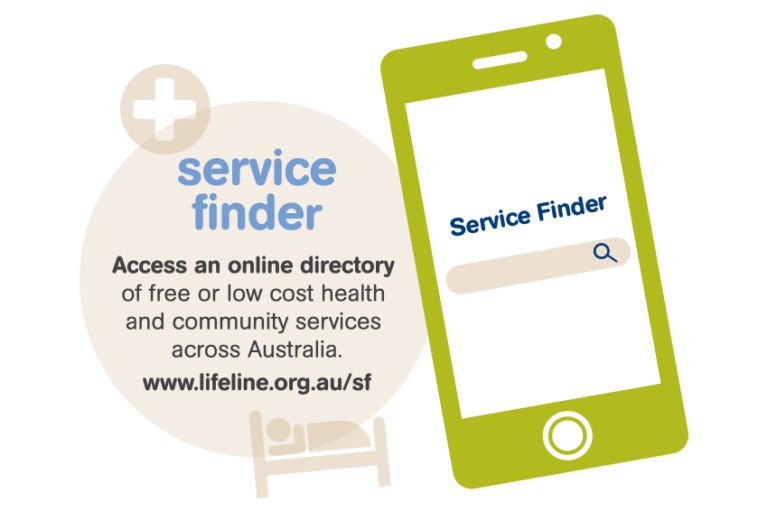
Please remember if are feeling overwhelmed with sadness or grief, or need someone to talk, there are organisations that can help 24/7. Call Mensline www.mensline.org.au 1300 789 978 or Lifeline www.lifeline.org.au on 13 11 14.




 The decision to end a marriage can be a difficult and complex one, and there is no single answer that applies to all situations. However, there are some signs that may indicate that your marriage is over or may be headed in that direction:
 The best time to introduce your children to your new partner can vary depending on several factors, including the age and temperament of the children, the nature and stability of the relationship, and the emotional readiness of everyone involved.
 Going through a divorce can be an emotionally challenging time, and it can be difficult to focus on work when dealing with the stress and upheaval of a divorce. However, it is important to prioritize work and maintain a professional demeanor during this time. Here are some tips on how to prioritize work when going through a divorce:
 Marriage is a complex relationship that requires work and commitment from both partners. If you feel that your marriage is in trouble and want to save it, there are several steps you can take to improve the relationship.
 Separated dads may worry about a variety of things, but some common concerns include:
















Recent comments